
How Green Walls Enhance Thermal Performance in Urban Environments

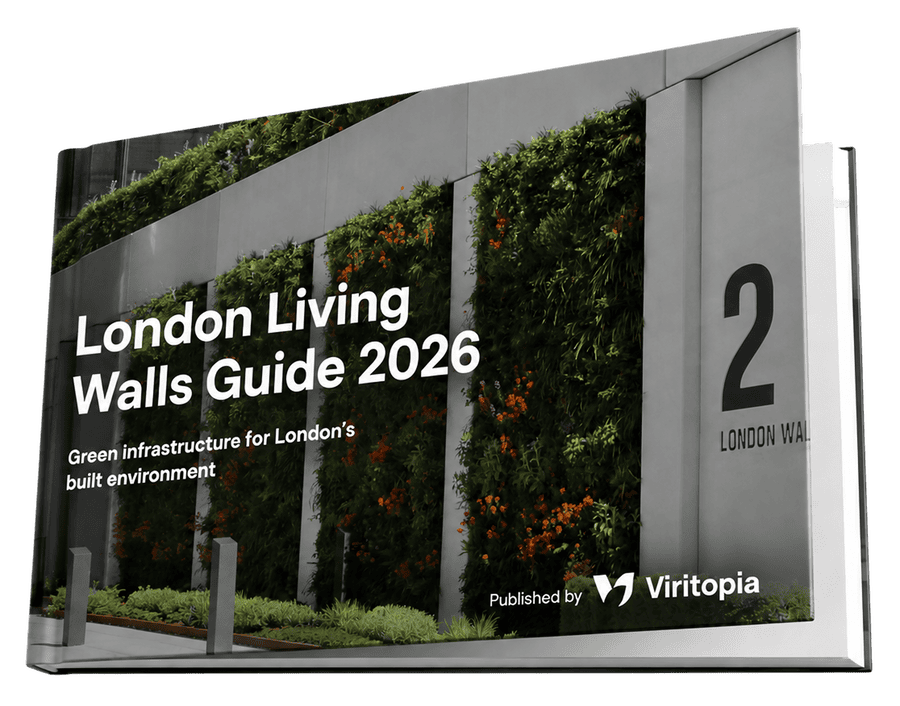
Green walls enhance thermal performance in urban environments by providing insulation and reducing heat gains through shading and evapotranspiration, which helps maintain cooler indoor temperatures.
Among many other green wall benefits, they contribute to mitigating the urban heat island effect, leading to lower overall heating and cooling demands in buildings
How Green Walls Improve Thermal Performance & Heat Regulation
Research indicates that green walls can dramatically reduce heat gains and losses in buildings. For instance, a study on the thermal impact of green walls found that during the summer months, the heat gains from façades with green walls decreased by an impressive 97%, while heat losses were reduced by 30%.
This remarkable thermal performance is attributed to how green walls provide enhanced insulation, shade buildings, and create microclimates.:
Insulation
The layers of vegetation and substrate in green walls act as insulators, reducing the amount of heat that enters or escapes from buildings. This insulation effect is enhanced by the moisture content in the plants and soil, which helps to cool the air through evaporation.
Shading
Green walls provide shade to building surfaces, which prevents direct sunlight from heating the walls. This shading effect can lower internal wall temperatures by an average of 2.5 °C, contributing to a cooler indoor environment.
Microclimate Creation
The presence of green walls can alter the microclimate around buildings. They help to lower ambient temperatures in urban areas, which is crucial for combating the urban heat island effect, where cities become significantly warmer than their rural surroundings.

How Green Walls Support Energy Efficiency and Sustainability
By reducing the need for air conditioning and heating, green walls can also lead to lower energy consumption and costs, making them a sustainable choice for modern architecture.

Designing Green Walls for Thermal Performance
To maximise the thermal performance of green walls, architects and contractors should consider these elements in the planning process:
- Foliage Coverage: Studies suggest that an optimal foliage coverage of around 60% enhances thermal performance while still allowing adequate natural light into buildings. Higher coverage can reduce airflow, impacting ventilation and potentially increasing heating loads in winter.
- Cavity Depth: The depth of the cavity behind the green wall can also influence its thermal efficiency. Research indicates that maintaining a cavity depth of no more than 0.6 metres is beneficial for thermal performance and airflow management.
- Material Selection: The choice of substrates and plants is crucial. Materials with high thermal mass can further improve insulation, while specific plant species can enhance cooling through transpiration.

Book a Consultation with Viritopia
With over 20 years of experience of designing and maintaining green infrastructure, Viritopia can help you design a green wall that will maximize the thermal performance of your development.
We assist with faster planning process and provide you with what’s needed to bring your project to life. Book a living wall consultation with our expert team today or learn more about our living wall systems.

Explore more insights
Discover the latest in green infrastructure
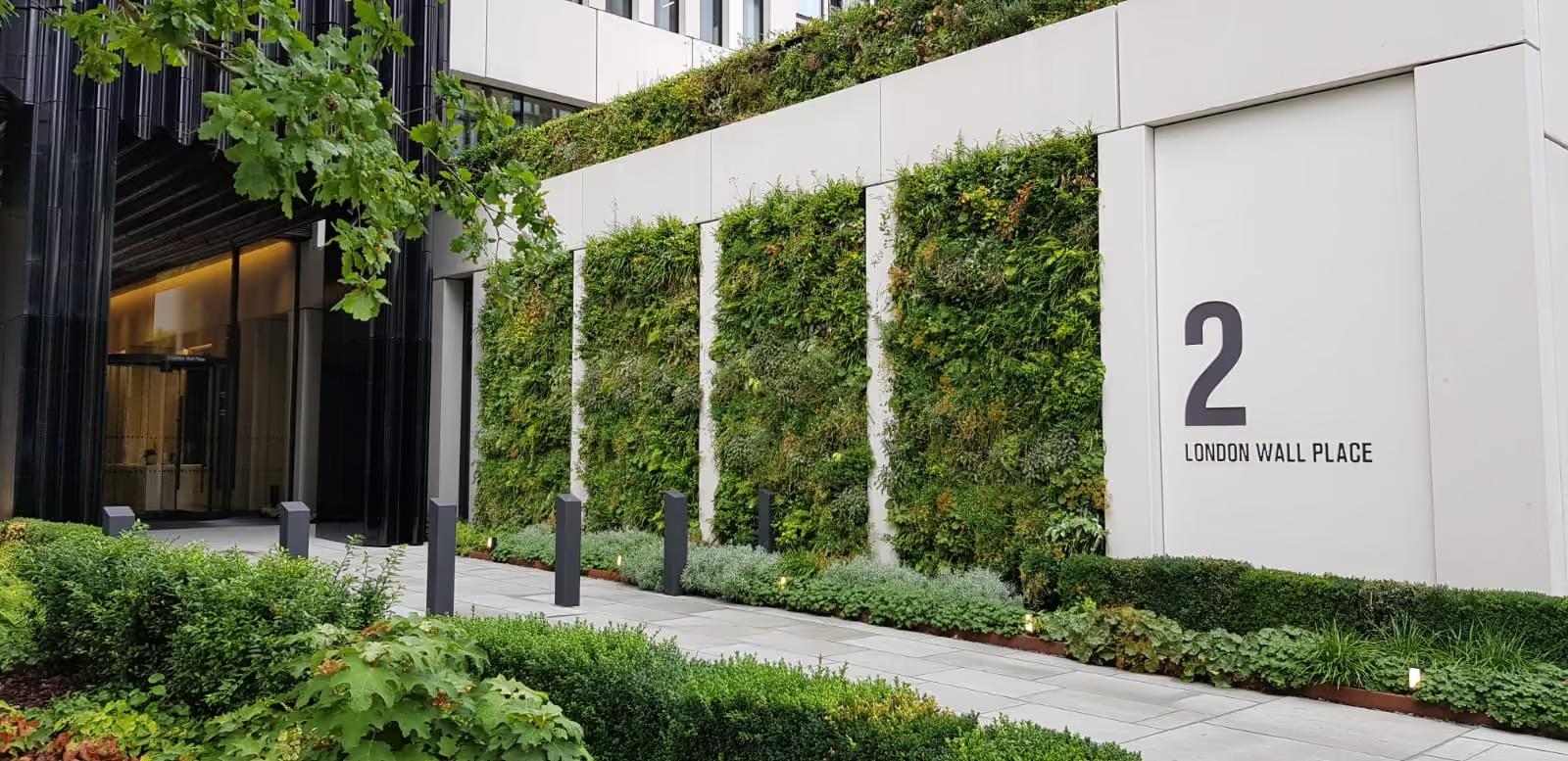
Urban Greening: How Cities Are Turning Grey Into Green
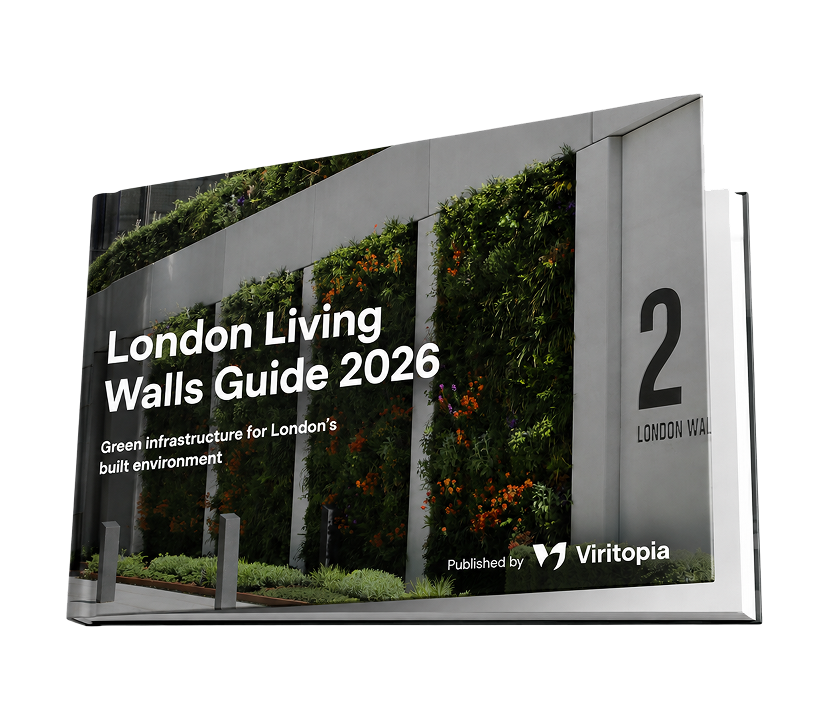
Viritopia’s New Guide Explores the Role of Living Walls Amidst Draft London Plan Consultation
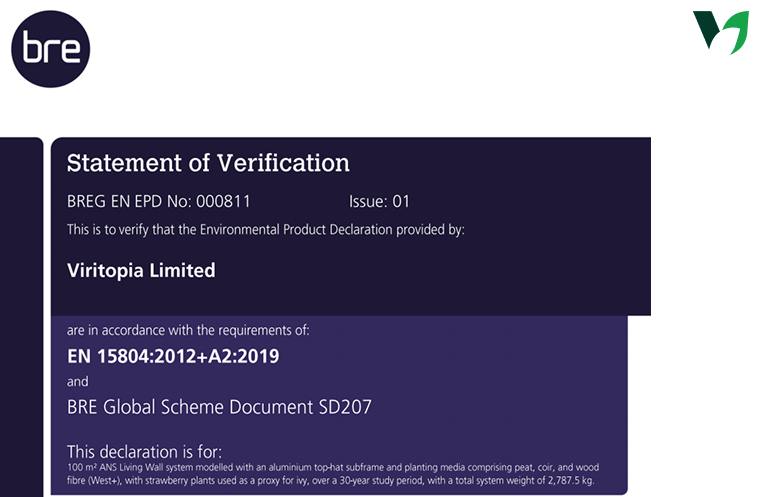
The Viritopia® Living Wall System Achieves a Verified EPD

Living Walls & Green Roofs for Urban Water Management
Biodiversity Net Gain: What It Means & How It Works

Living Wall Fire Safety: Testing, Regulation, and Risk Mitigation

