Living Wall im Außenbereich
|
Museum of The Future
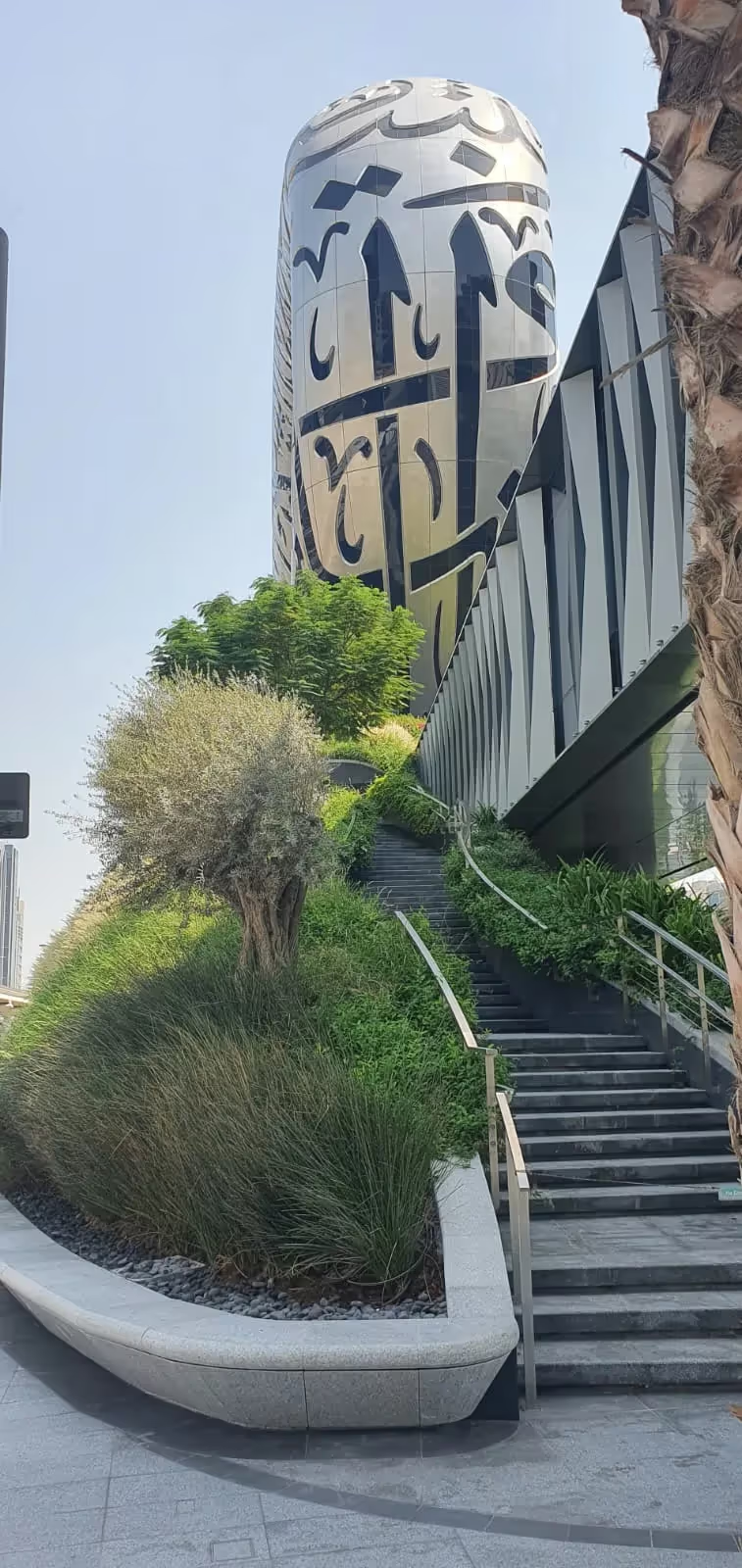
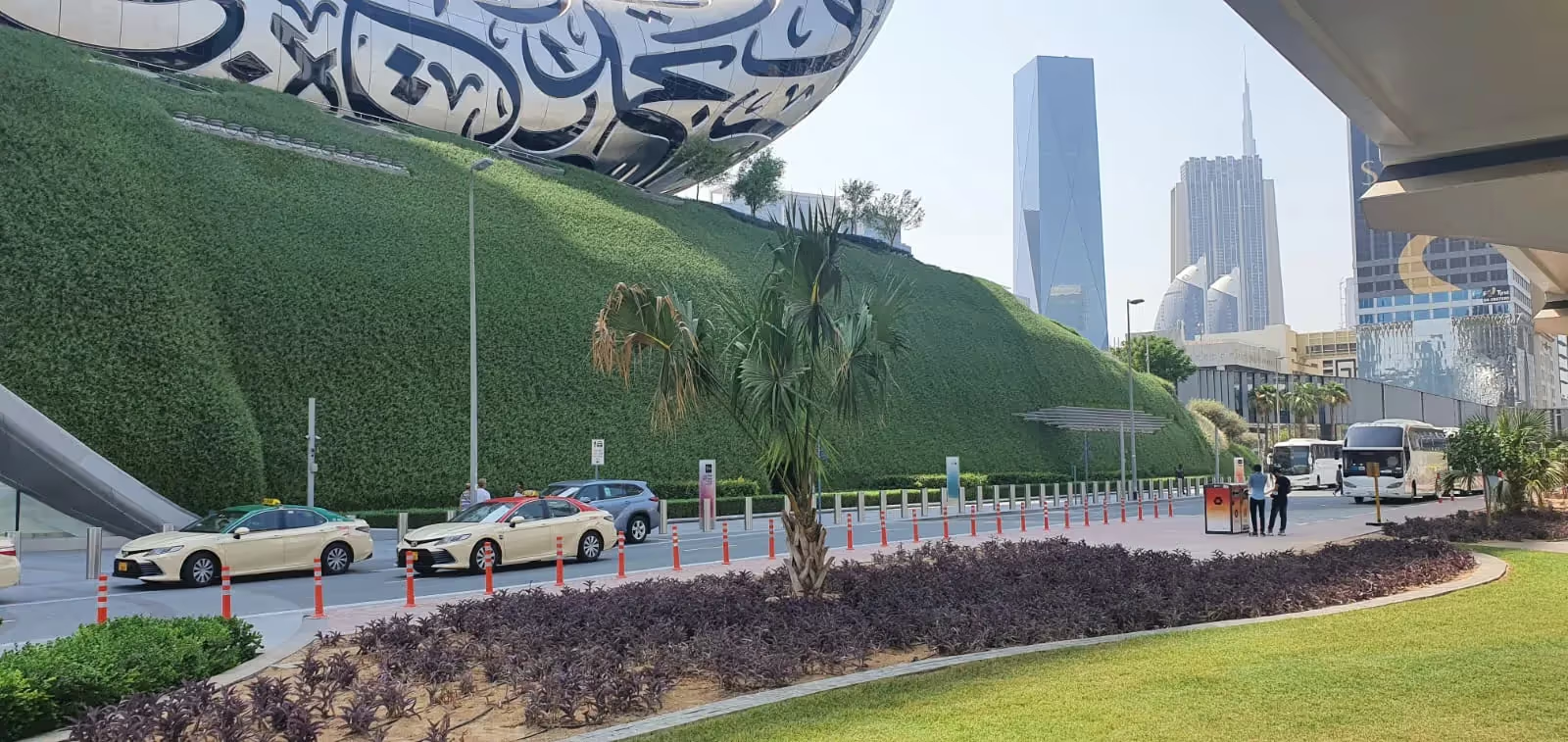
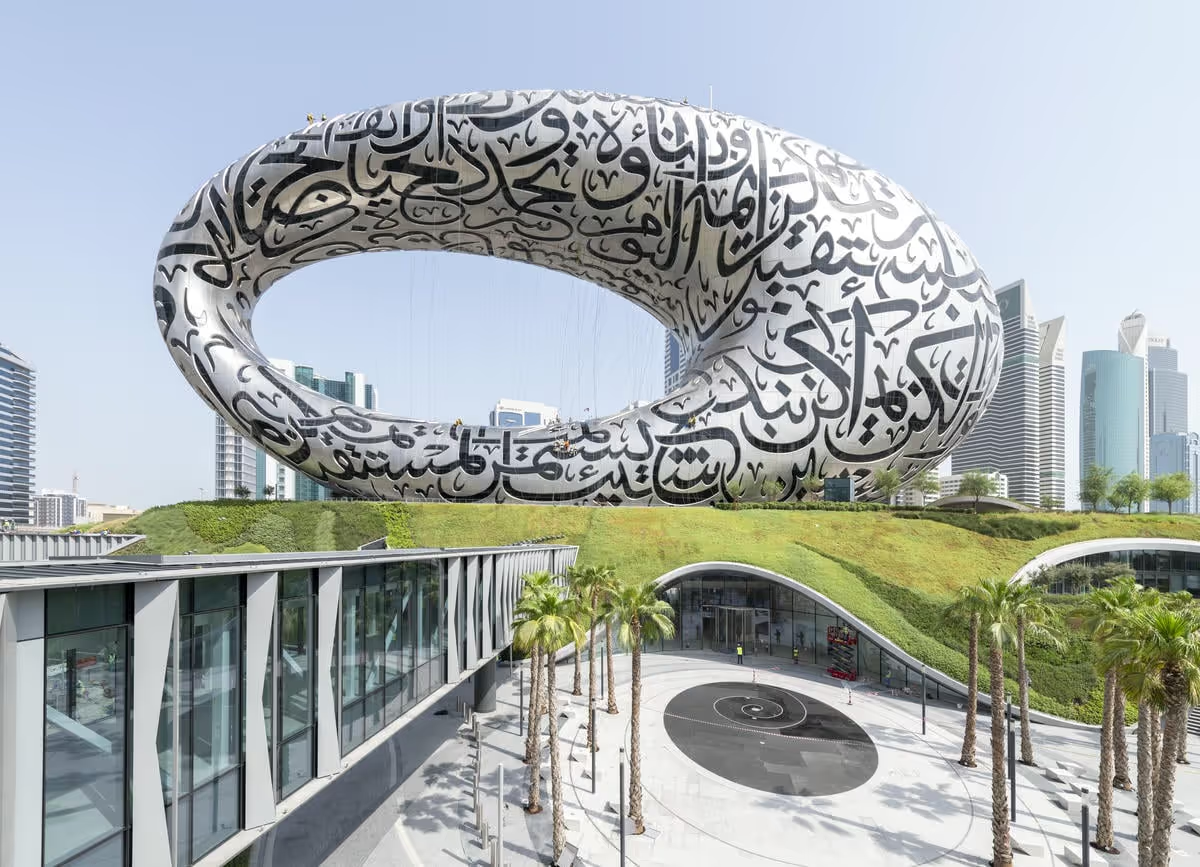
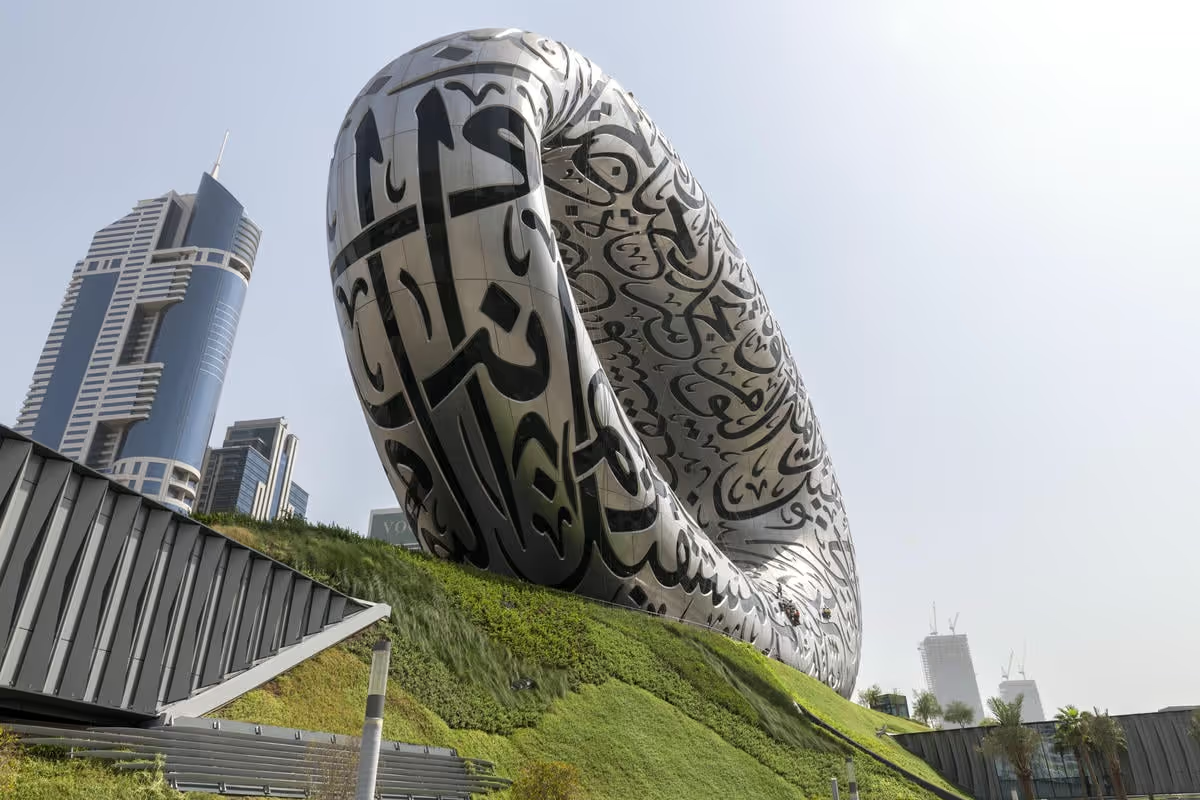
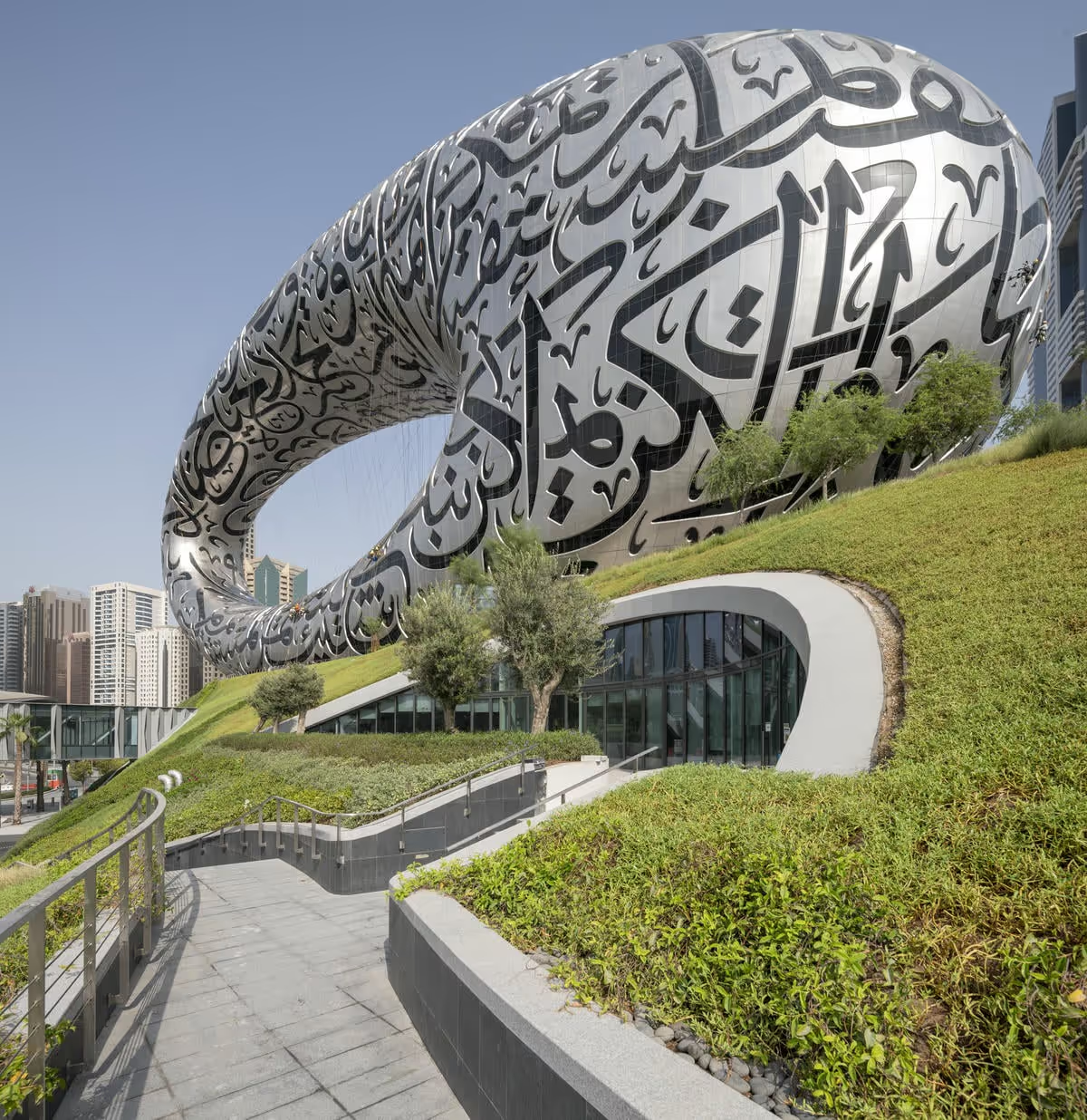
Kann man einen Hügel erschaffen, indem man ein Gebäude in Grün hüllt? Dieses Projekt hat bewiesen, dass mit einem Living-Wall-System von Viritopia nahezu alles möglich ist.
Kann man einen Hügel erschaffen, indem man ein Gebäude in Grün hüllt? Dieses Projekt hat bewiesen, dass mit einem Living-Wall-System von Viritopia nahezu alles möglich ist.


Während die meisten Museen Fenster in die Vergangenheit sind, wurde das Museum of the Future als Tor zum nächsten Kapitel der Menschheitsgeschichte konzipiert, mit Exponaten, die Jahrzehnte in die Zukunft reichen. Das einzigartige Konzept des Projekts erforderte ein ebenso innovatives Design, um den richtigen Ton zu treffen und es von der wachsenden Zahl beeindruckender architektonischer Bauwerke in ganz Dubai abzuheben.
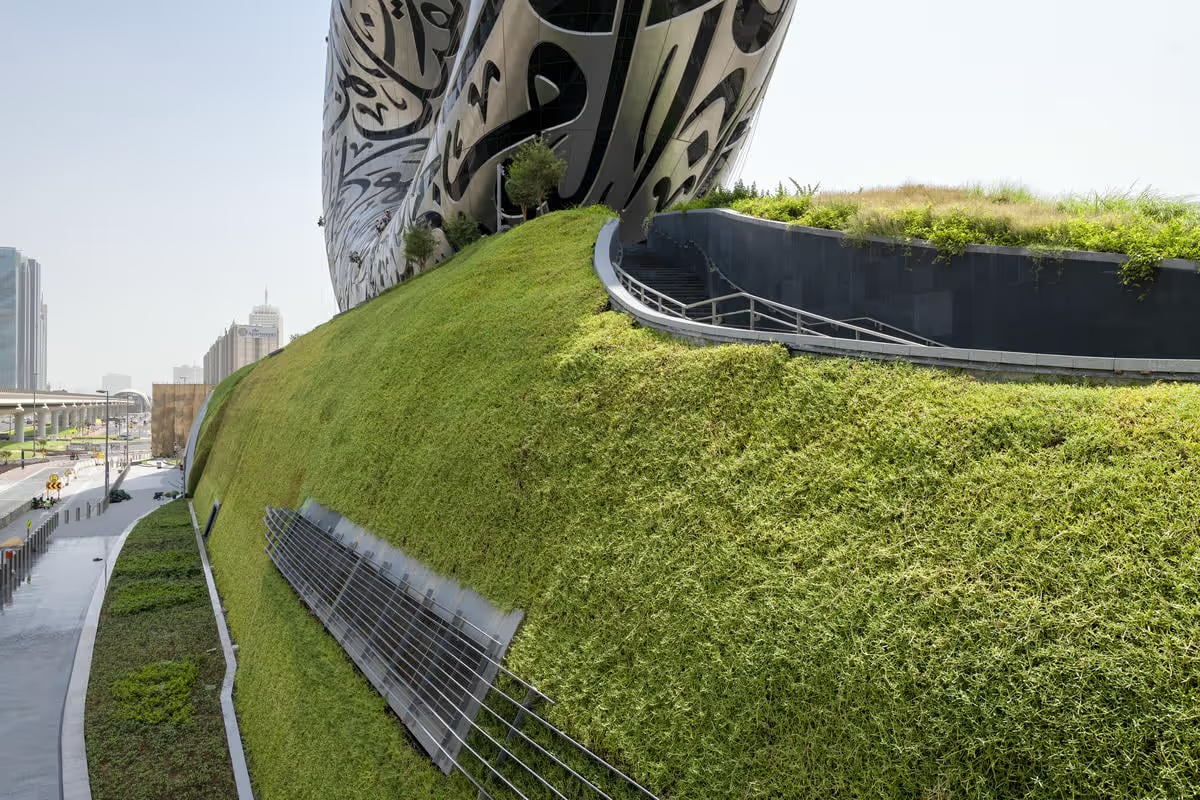
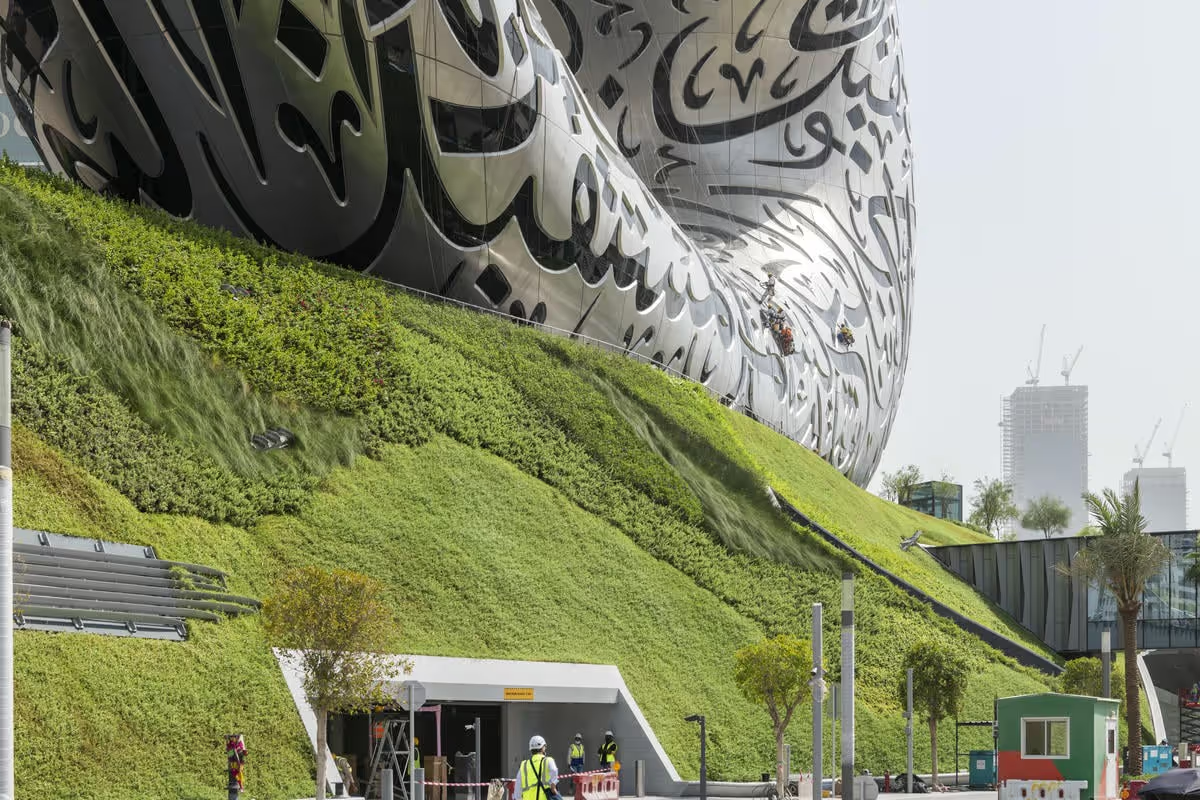
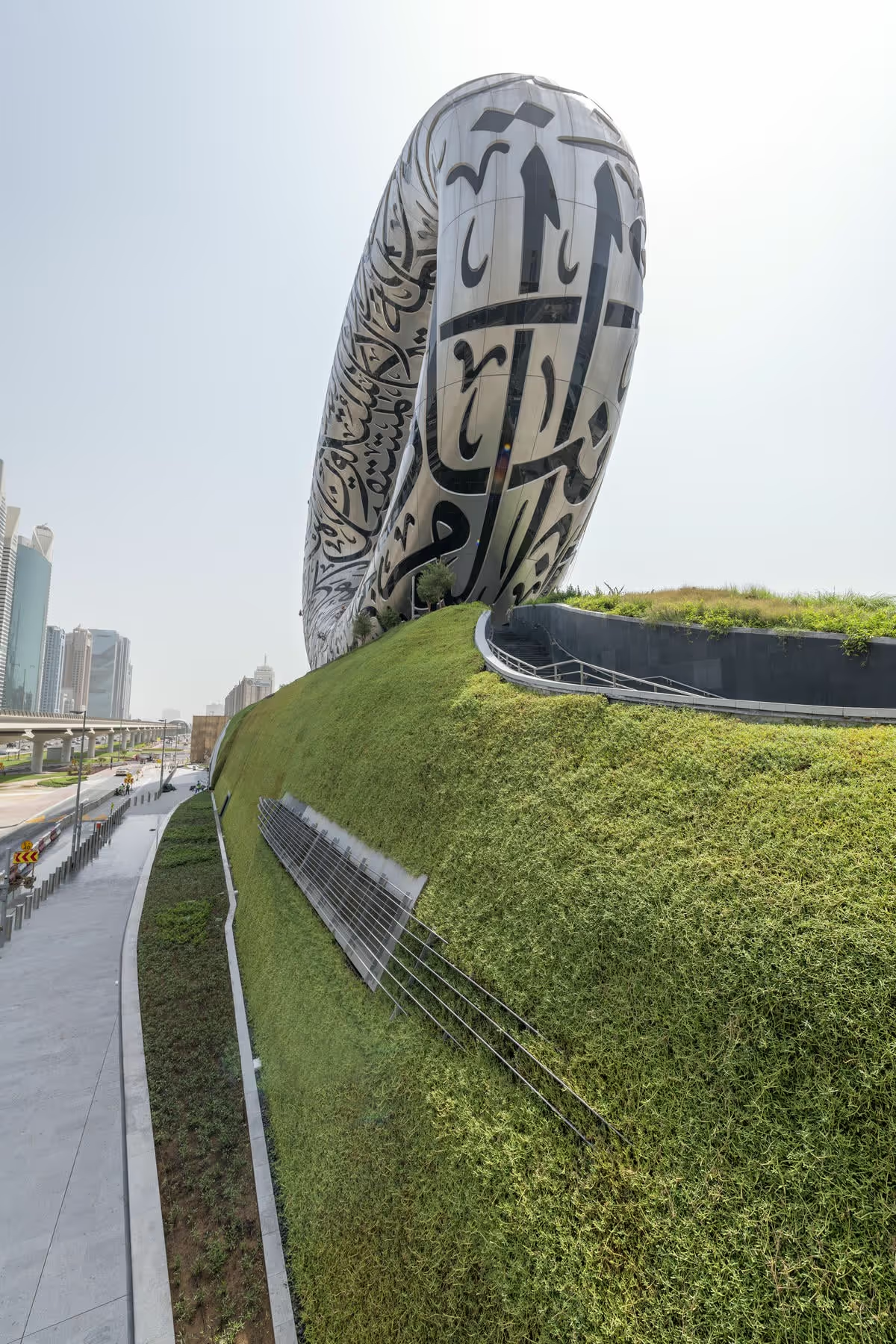
Die Architekten des Projekts schufen die Illusion einer Stahlskulptur, die sanft auf einem steilen grünen Hügel ruht. Das Vorzeigeobjekt verfügt über Fenster in Form arabischer Kalligraphie, die zusammen ein Gedicht ergeben. Der Hügel sollte die Erde symbolisieren, die sich dem Bauwerk entgegenhebt, und einen Kontrast zur umgebenden städtischen Landschaft bilden.
Innerhalb des „Hügels“ sollen sich die Lobby des Museums, der Veranstaltungssaal, Parkplätze und weitere Bereiche des Gebäudes befinden. Es sollte den unteren Teil des Gebäudes in einer Art natürlichem Hügel verbergen – und unter den extremen klimatischen Bedingungen ohne sichtbare Sprinkleranlagen oder nennenswerten Wasserverbrauch gedeihen.
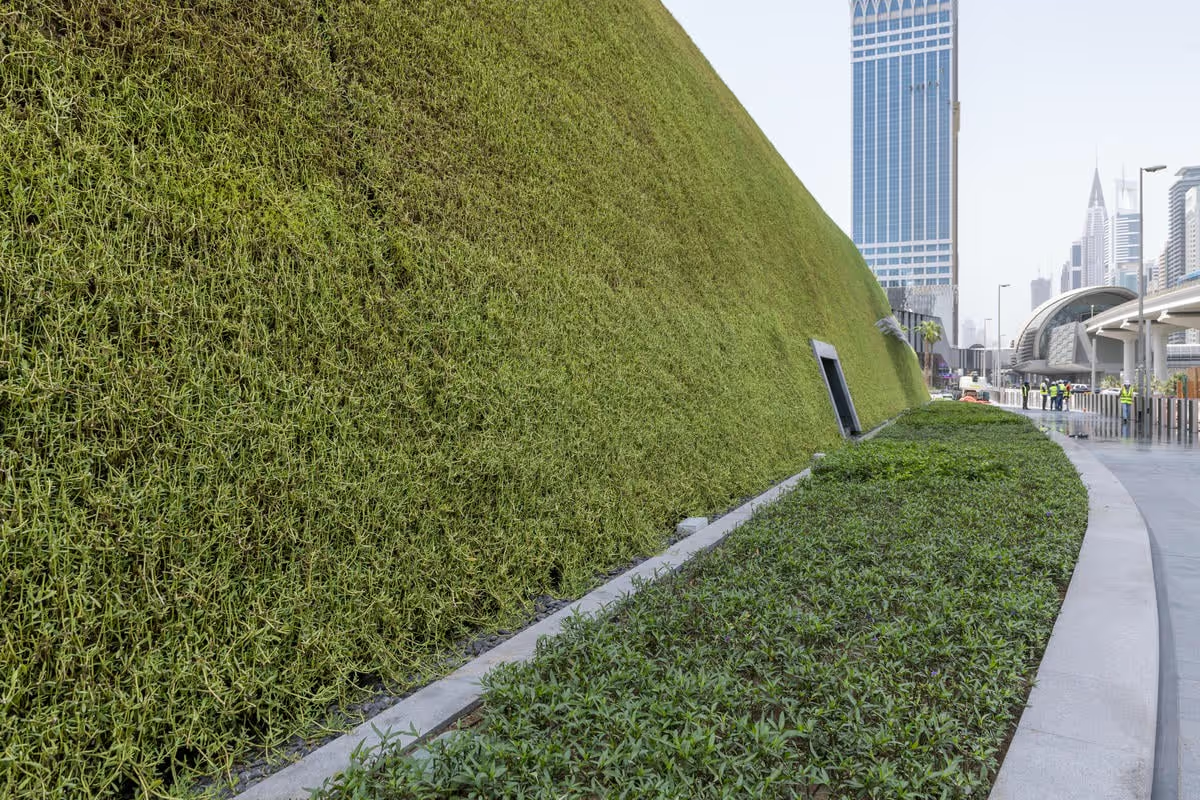
Das Living-Wall-System von Viritopia wurde als beste Living Wall für das trockene Klima und die besonderen ästhetischen Anforderungen ausgewählt, da die bodengebundenen Module:
„Die Daten, die Technologie, die Innovation und die Rahmenbedingungen des Projekts deuteten allesamt darauf hin, dass ein Feature erforderlich war, um die Umgebung mit der gebotenen Bravour aufzuwerten. Die Suche nach einer großartigen, nachhaltigen Lösung, die zur Architektur passt, wurde mit dem Living-Wall-System von Viritopia perfekt erfüllt.“
Construction UK Magazine
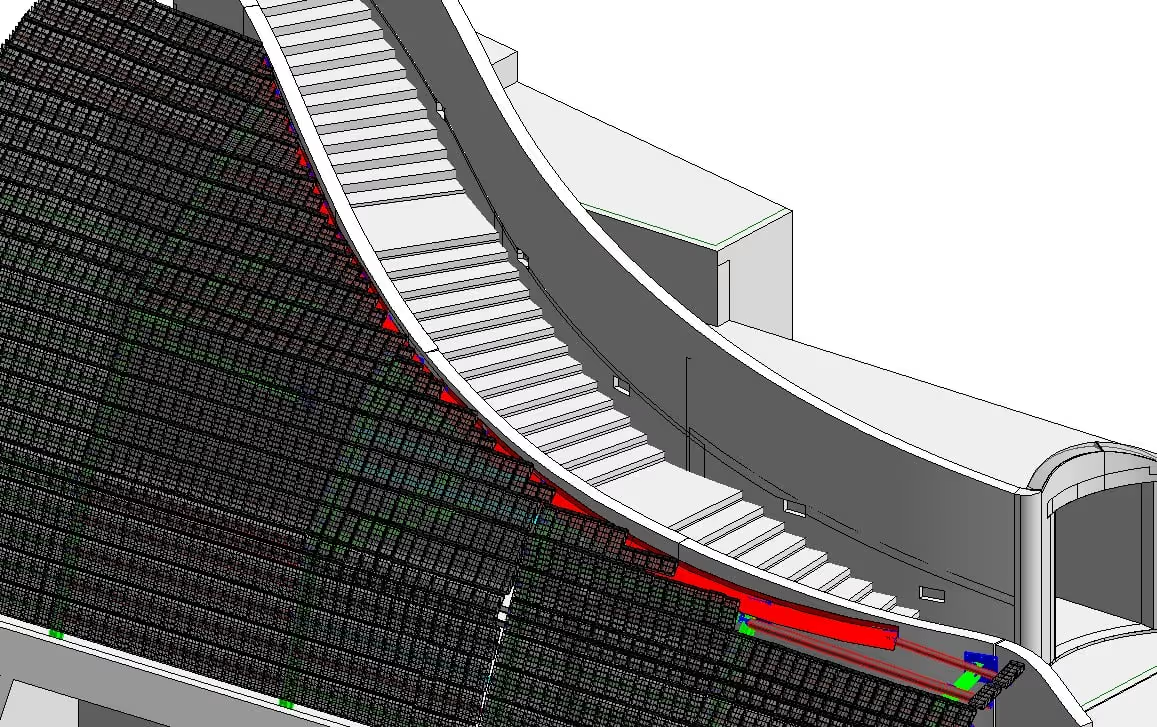
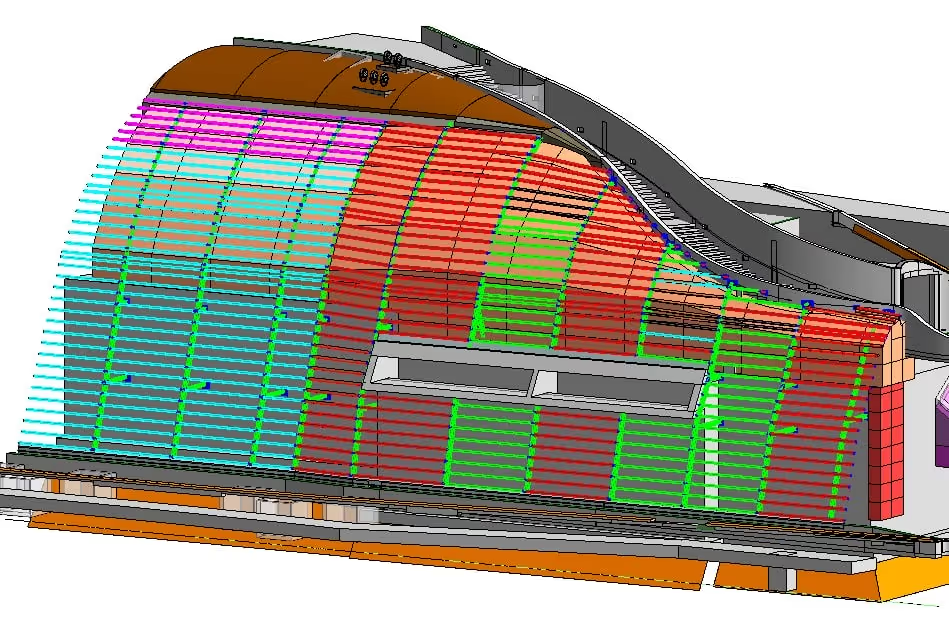
Angesichts der steilen Hänge des Hügels und der in der Seite eingelassenen Fenster und Laufstege stellte die Living Wall des Museum of the Future eine willkommene Herausforderung für unsere Ingenieure dar. Sie reisten oft nach Dubai, um gemeinsam mit den Architekten an Zeichnungen und Modellen zu arbeiten und den Fortschritt bei den einzelnen Abschnitten der Wand persönlich zu überwachen.
Um die Winkel und Rundungen des Unterbaus richtig auszuführen, war äußerste Präzision erforderlich. Unsere Berater haben sich um die Einzelheiten gekümmert, wie zum Beispiel:
Auch wenn die Living Wall ein entscheidendes Element dieses Projekts war, war sie nicht der einzige zu berücksichtigende Faktor. Wir mussten auch die umgebende Landschaft nahtlos in die Fassade einfügen. In Zusammenarbeit mit unseren lokalen Partnern, Desert Group, haben wir die Auswahl der Pflanzen und die Gestaltung der Außenanlagen erarbeitet.
Gemeinsam haben wir das Substrat an das lokale Klima angepasst und die idealen Pflanzenarten für die Wand ausgewählt. Wir haben uns für eine einzige Art entschieden – Sesuvium portulacastrum (Meeresportulak) – aufgrund ihrer Trockenresistenz, Salztoleranz und ihres „teppichartigen“ Wuchses.
Die Module und Materialien für die Living Wall haben wir nach Dubai verschickt, und unsere Partner haben die Pflanzen vor Ort gezogen, um ihnen die Akklimatisierung zu erleichtern. Mit unserer Unterstützung und Beratung hat die Desert Group die Living Wall installiert und Viritopia dabei geholfen, eines der innovativsten Landschaftsbauprojekte in den Vereinigten Arabischen Emiraten zu realisieren.


Das Netzwerk lokaler Partner von Viritopia hilft uns dabei, das Living-Wall-System von Viritopia in mehr als 30 Ländern weltweit zu verbreiten.
So funktioniert es:


Nicht zuletzt dank der einzigartigen Living Wall des Museum of the Future erregte das Projekt sofort internationale Aufmerksamkeit. Wir sind stolz darauf, Ihnen mitteilen zu können, dass das Projekt die Zertifizierung LEED Platinum (die höchste Stufe des LEED-Systems) erhalten hat, mehrere Auszeichnungen gewonnen hat und von National Geographic sogar zu einem der schönsten Museen der Welt gekürt wurde.
Das Museum hat unser Team als eines unserer bislang anspruchsvollsten und innovativsten Living-Wall-Projekte nachhaltig beeindruckt. Es hat die Grenzen dessen, was unser modulares System leisten kann, erweitert, uns gezeigt, wie flexibel unser System sein kann, und uns dazu angeregt, uns vorzustellen, wie die Zukunft der Living-Wall-Technologie aussehen könnte.



Lorem ipsum dolor sit amet, consectetur adipiscing elit.

Arbeiten Sie mit dem Team zusammen, das hinter den weltweit größten und meistausgezeichneten Living Walls steht.
Arbeiten Sie mit dem Team zusammen, das hinter den weltweit größten und meistausgezeichneten Living Walls steht.