
5 top considerations when designing a living wall
5 top considerations when designing a living wall
When it comes to designing a living wall, there is no one-size-fits-all approach. Each system must be designed to suit the individual characteristics of the building, its location, and available space.
So, in this article, we highlight the precise planning that must be carried out to ensure a living wall thrives, right from the point of installation.
1. Sunlight & shade
Just like all plants, those on living walls need natural sunlight. Not only is it important to make sure the green wall is positioned where adequate sunlight will reach, but also consider the intensity of light and any possible shading the plants may receive.
Sunlight and shade will contribute to the on-site climate, meaning it’s important to assess these factors thoroughly across the changing seasons. Future nearby developments should also be taken into account. The construction of new buildings can create additional shaded areas, effecting the plants chosen for the living wall.
Once the light and shade has been assessed, the most suitable plants can be selected. If the location receives large amounts of shade, plant selection can be adapted to focus on shade loving species such as fern varieties and lily turf (liriope muscari). A shaded area can benefit from a living wall too!
A recent project of ours, United Caps, presented a shady location, so we designed to suit using just three plant species.

2. Temperature
Similar to assessing the light and shade, knowing ambient temperatures will help determine which plants should be incorporated into the living wall.
Due to thermal mass and heat gain at height, top building levels will typically see higher temperatures. So, to make sure the living wall flourishes, be sure to assess temperatures properly and select plants suitable for the explored conditions.
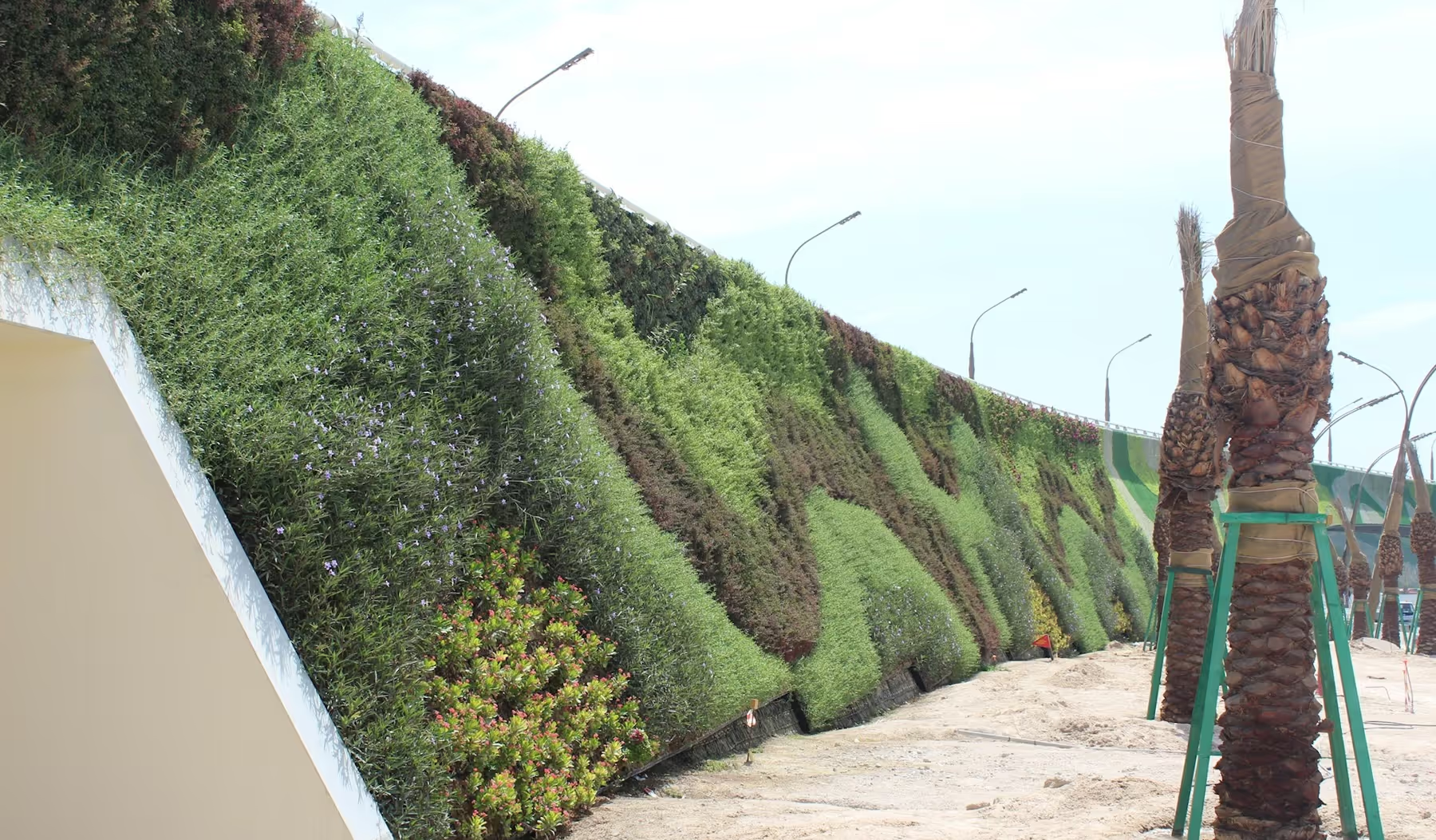
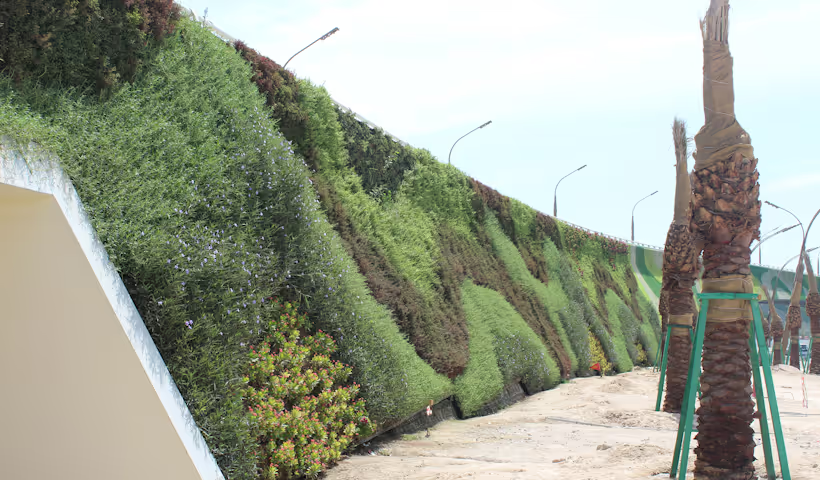
Our project at Khalifa Avenue (the world’s largest living wall) is a great example of how the right design allows a living wall to flourish in extreme climates.
3. Wind levels
Wind speeds increase the higher up a building you go, and can impact the temperature too. This can increase the risk of plant dehydration. By analysing wind levels of the living wall location, you can better understand the living wall’s climate and select an irrigation programme that ensures the plants don’t dehydrate.

4. Rainfall
To be sure that the plants on a living wall have what they need to thrive, researching the amount of rainfall they’ll receive is absolutely crucial. This will highlight the need for any irrigation or drainage system, and helps with selecting the right plants for the system. Large living walls often integrate an automatic water irrigation, which uses a valved solution to water the plants on a configured basis, as and when the plants need it.
5. Consult with a living wall expert
For 100% confidence in a living wall system that will thrive, it’s always best to bring an expert on board. Having installed over 30 million plants since 2008, we have the experience and knowledge needed to design, install and maintain your living wall system. For more information on how we can help, or if you’d like to discuss your living wall visions with an expert, contact our team at Viritopia today – we’re standing by to answer your questions.

Explore more insights
Discover the latest in green infrastructure
Urban Greening: How Cities Are Turning Grey Into Green
Viritopia’s New Guide Explores the Role of Living Walls Amidst Draft London Plan Consultation

The Viritopia® Living Wall System Achieves a Verified EPD
Living Walls & Green Roofs for Urban Water Management
Biodiversity Net Gain: What It Means & How It Works

Living Wall Fire Safety: Testing, Regulation, and Risk Mitigation

